_edited.png)

Renewable Diesel
What is it?
Renewable diesel is a sustainable fuel made from organic materials like vegetable oils and animal fats. It is chemically identical to petroleum diesel, and can be used directly in diesel engines without modifications.
What are the Benefits?
Engine and Infrastructure Ready
Renewable diesel meets the ASTM D975 petroleum diesel specification, meaning it works in existing diesel engines and fuel infrastructure with no modifications
Lower Emissions
Not only does RD reduce both CO₂ and nitrogen oxides compared with petroleum diesel, certified pathways show renewable diesel averaging about a 65% lower carbon intensity than petroleum diesel
Flexible and Versatile
Renewable diesel can fully replace diesel or blend at any level. It can be produced from a wide range of feedstocks and is often made at facilities that also produce sustainable aviation fuel
Our Work with RD
In collaboration with Vermont Clean Communities, Maine Clean Communities conducted a quarterly New England Renewable Diesel Working Group- a virtual forum that brought together industry partners, fuel suppliers, decision-makers, fleet managers, researchers, and clean-energy coalitions to advance the renewable diesel (RD) market across the region.
As New England seeks practical pathways to reduce transportation-sector emissions, this working group provides a collaborative space for information sharing, coordinated planning, and market development.

The group focused on assessing current and future demand for renewable diesel in heavy-duty on- and off-road applications—including freight, municipal fleets, agriculture, marine, construction, and the ski industry.
Through stakeholder engagement, the series examines fueling requirements, infrastructure capacity, workforce training needs, cost-effectiveness, and supply chain considerations to support a scalable transition to low-carbon liquid fuels.
Each quarterly session highlights timely topics shaping the regional RD landscape.
Past meetings have covered foundational technical overviews, real-world fleet case studies, supply chain challenges, and early adoption experiences from public and private operators like Neste and the Massachusetts Port Authority.
By convening diverse stakeholders, the working group helps participants stay informed, collaborate on shared challenges, and shape the future of renewable fuels in New England. It aims to provide the insight and strategic alignment needed to accelerate RD deployment while complementing longer-term electrification initiatives.
Watch Our Past Working Groups
Session 1: Renewable Diesel 101
-
Learn the fundamentals of renewable diesel, including what it is and how it differs from conventional diesel and biodiesel.
-
Explore the environmental, operational, and performance benefits of renewable diesel for fleets and other diesel users.
-
Understand renewable diesel production, common feedstocks, fuel compatibility, and current market availability.
-
Hear real-world examples of renewable diesel use from industry experts and fleet case studies.
-
Listen to a live Q&A addressing common questions and misconceptions about renewable diesel.
-
Gain insight into opportunities and challenges organizations may face when considering renewable diesel adoption.
Session 3: Policy Landscape and Market Signals
-
Explore the policy landscape shaping renewable diesel adoption, including current incentives, market trends, and emerging opportunities in the Northeast.
-
Learn how procurement strategies, regional collaboration, and buyer aggregation can improve renewable diesel availability and affordability.
-
Hear case studies highlighting successful renewable diesel deployment, including the MBTA commuter rail pilot and lessons learned from large-scale fuel procurement.
-
Discover how renewable diesel intersects with adjacent markets, including home heating and agriculture, and how these sectors can support market growth.
-
Examine the role of state and regional policies, including low-carbon fuel standards, clean heat standards, and carbon intensity programs, in accelerating renewable diesel adoption.
Session 2: Fueling and Logistics
-
Learn about the practical logistics of adopting renewable diesel, including fuel sourcing, pricing, transportation, storage, and fueling considerations.
-
Hear firsthand experiences from organizations that have successfully implemented renewable diesel in fleets operating in cold-weather environments.
-
Explore strategies for ensuring reliable fuel supply, managing seasonal fuel blends, and addressing winter performance challenges
-
Gain insight into real-world costs, supply chain considerations, and lessons learned from renewable diesel deployment.
-
Listen to an expert Q&A and stakeholder discussion covering common logistical challenges, implementation considerations, and opportunities for renewable diesel in the Northeast.
Session 4: The Finale! - Renewable Diesel Implementation
-
Learn how to plan and launch a successful renewable diesel pilot program, from defining project goals to evaluating performance and outcomes.
-
Explore best practices for selecting vehicles, tracking operational, maintenance, emissions, and cost metrics, and measuring pilot success.
-
Understand key implementation considerations, including fuel specifications, procurement strategies, storage, cold-weather operation, and fleet training.
-
Hear real-world examples of renewable diesel pilot projects and large-scale deployments from fleets across the Northeast.
-
Discover how cooperative purchasing agreements and regional partnerships can improve fuel availability, reduce costs, and support renewable diesel adoption.
-
Listen to a facilitated discussion on the resources, partnerships, and next steps needed to move renewable diesel projects from planning to implementation.
Renewable Diesel vs Biodiesel
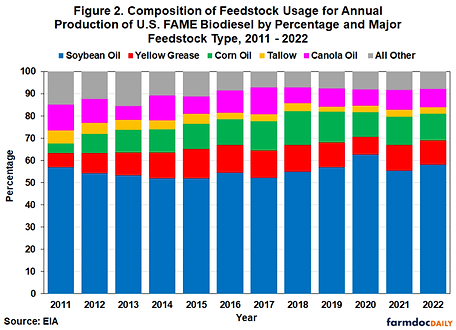
Biodiesel is made via transesterification- a chemical process that reacts animal fats, vegetable oils, or recycles cooking grease with an alcohol, usually methanol, producing fatty acid methyl esters (FAME)
By contrast, renewable diesel is made through hydrotreating where hydrogen is used to remove oxygen from feedstocks and form pure hydrocarbon chains.
Renewable diesel, like fossil diesel, is a pure hydrocarbon and can be used interchangeably with fossil-based diesel. That is why renewable diesel is often described as a “drop in” fuel.
Biodiesel is limited to specific maximum blends (usually 5 to 20 percent) and higher blends must be specially labeled, and their use is limited to compatible vehicles.
Biodiesel = an additive blended into diesel Renewable diesel = a replacement for diesel fuel

How it's Made: Hydrotreating
Renewable diesel can be produced through several different technology pathways. Commercial production facilities predominantly use the hydrotreating pathway, with fats, oils, and greases as the most common feedstocks: Hydrotreating converts these vegetable oils, animal fats, and waste oils into high-quality, hydrocarbon-based fuel.
The process involves adding hydrogen to the feedstock under high pressure and temperature conditions, leading to the removal of unwanted elements and the conversion of triglycerides into paraffinic hydrocarbons
Carbon Intensity
A carbon intensity (CI) score measures how much greenhouse gas (GHG) emissions are produced per unit of energy over the entire lifecycle of a fuel. In other words, it answers: “How much carbon does this fuel create from start to finish?”. That lifecycle includes extracting or growing the feedstock, processing/refining it, transporting it, and burning it in an engine. Even if two fuels have the same tailpipe emissions (like diesel vs. renewable diesel), their CI scores can be very different because their upstream emissions differ.
Renewable diesel made from waste fats, for example, typically has lower lifecycle emissions than petroleum diesel. CI scores are usually expressed as grams of CO₂-equivalent per megajoule (gCO₂e/MJ).
Conventional diesel has an average lifecycle carbon intensity of ~100 gCO2e/MJ, serving as a benchmark for evaluating low-carbon fuel alternatives.
Soy-based biodiesel (the most common BD feedstock) has a typical CI range of 50-70 gCO2e/MJ. Produced through transesterification, its energy-efficient processing uses relatively little energy output. However, its CI benefits are limited by the agricultural emissions associated with soy cultivation.
Renewable diesel is produced through hydrotreating, gasification, or other thermochemical processes that create a hydrocarbon fuel chemically identical to petroleum diesel, and its CI depends heavily on the feedstock used to produce it.
Though soy or corn oil based renewable diesel carries higher upstream agricultural emissions, the hydrotreating process and resulting chemical makeup receives a lower CI score than petroleum diesel and generally lower than soy biodiesel.
Soy or Corn Oil: ~40-60 gCO2e/MJ
Tallow or Used Cooking Oil (UCO): ~15-40 gCO2e/MJ
Feedstock Composition for U.S. Biodiesel and Renewable Diesel

RD in the Northeast
Suppliers in New England

Sprague Energy
Sprague Energy is one of the Northeast's leading suppliers of renewable diesel, serving commercial, industrial, municipal, and fleet customers throughout the region. The company offers renewable diesel through rack loading and bulk delivery, with renewable diesel currently available at its Bronx and Albany, New York terminals and commercial fleet services from its Lawrence terminal. Sprague has played a key role in expanding renewable diesel access in the Northeast, supplying major fleet deployments such as New York City's municipal fleet and supporting the region's first public renewable diesel fueling station.

Broco Energy
Broco Energy is a New England-based fuel supplier providing renewable diesel solutions for commercial, municipal, transportation, and industrial fleets. The company delivers renewable diesel and other commercial fuels throughout Massachusetts, New Hampshire, Maine, Connecticut, and Rhode Island through bulk delivery and onsite fueling services. Broco has invested in renewable diesel storage, blending, and distribution infrastructure to support growing demand in the region. The company also partnered with the Massachusetts Port Authority (Massport) to launch New England's first long-term renewable diesel supply agreement, delivering approximately 1.2 million gallons annually to fuel Logan Airport shuttle buses, maintenance vehicles, emergency response equipment, generators, and other diesel-powered operations.

Global Partners
Global Partners is one of the Northeast's largest fuel distributors, supplying renewable diesel through its GlobalGLO Low Carbon Solutions program. The company distributes renewable diesel to commercial, municipal, transit, and industrial fleets through its extensive terminal network and wholesale fuel delivery services. Renewable diesel is currently available at multiple Northeast terminals, including East Haven, CT, with the company continuing to expand access throughout the region.
Fleet Spotlights

Massachusetts Port Authority
Massport is integrating RD across broad set of medium and heavy duty applications at Logan Airport, Worcester Regional Airport, Hanscom Field, and Conley Terminal.
This transition is anchored by an approximately 1.2 million gallon annual supply contract with Broco Energy.
This multi-year RD supply contract is the first long term agreement of its kind in New England.
Massport's RD fleet and equipment includes:
-
Airport shuttle buses and Logan Express coaches
-
Yard Tractors
-
Snow-melters
-
Backup Generators and auxiliary power systems
Massport’s RD strategy is explicitly tied to Massachusetts’ climate plans and the GHG Protocol

New York City
100 percent of the city’s 12,500 heavy-duty and off-road vehicles have completed the transition to renewable diesel, making New York City the first major East Coast city to implement this green technology at such a large scale.
The transition will prevent 162 million pounds of global carbon dioxide emissions from entering the air every year, and it will serve as an important bridge fuel as viable electric versions of these vehicles are developed and placed into the market.
Interested in Learning More?
Visit the Alternative Fuels Data Center (AFDC) for detailed data, research, and resources on this fuel, including information on vehicle availability, infrastructure, costs, benefits, and more.
