_edited.png)

Propane
What is it?
Propane, also known as liquefied petroleum gas (LPG) or propane autogas, is an alternative fuel that has been used for decades to power light-, medium-, and heavy-duty vehicles. Produced primarily as a byproduct of natural gas processing and petroleum refining, propane is stored onboard vehicles as a pressurized liquid and vaporizes into a gas for combustion. Its high-octane rating makes it well suited for spark-ignited engines, and because it quickly dissipates if released, it poses little risk to soil or groundwater.

Interest in propane as a transportation fuel stems from its domestic availability, relatively low cost, and high energy density. Propane is the world's third most widely used transportation fuel after gasoline and diesel. Vehicles use a high-purity fuel known as HD-5 propane, which is stored in pressurized tanks and dispensed through specialized fueling equipment designed for safe, quick, and convenient refueling.
Renewable propane is an emerging, low-carbon alternative produced from renewable feedstocks such as vegetable oils, animal fats, and used cooking grease. Chemically identical to conventional propane, it can be used as a drop-in replacement in existing propane vehicles and fueling infrastructure without modification. Renewable propane is most commonly produced as a byproduct of renewable diesel and sustainable aviation fuel production and can have a significantly lower carbon intensity than conventional propane, offering an additional pathway for reducing transportation emissions.
What are the Benefits?
Propane is a domestically produced, well-established transportation fuel that offers a reliable and cost-effective alternative to gasoline and diesel. A wide range of medium- and heavy-duty propane vehicles are available from manufacturers, and many existing gasoline vehicles can also be converted for propane use. Propane fueling infrastructure is widely available, and fleets can often reduce fuel costs further by installing private fueling stations or partnering with local propane suppliers.
While propane vehicles may have a higher upfront cost than comparable gasoline models, the fuel itself is typically less expensive, helping offset the initial investment over time. Although propane contains less energy per gallon than gasoline, propane vehicles offer comparable driving ranges, and the lower cost of the fuel often results in competitive operating costs. For many fleet applications, propane vehicles are also similarly priced to diesel vehicles.

Propane's high octane rating and clean-burning properties can contribute to longer engine life and lower maintenance costs, making it a popular choice for high-mileage fleets such as school buses, shuttle buses, and commercial vehicles. Propane engines also perform well in cold weather because the fuel enters the engine as a gas, reducing cold-start issues common with liquid fuels. Together, these benefits make propane a practical and dependable option for many transportation applications.
Propane in Maine
Bonny Eagle School District
The Bonny Eagle School District in southern Maine has become a leader in the use of propane-powered school buses. Serving the communities of Buxton, Standish, Hollis, Limington, and Frye Island, the district began transitioning from diesel to propane in 2009 through a state-sponsored pilot program. Today, 30 of the district's 38 daily route buses operate on propane, making it one of the largest propane school bus fleets in New England
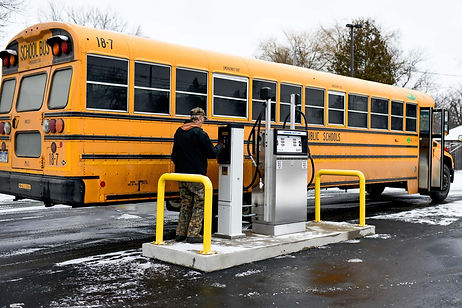
To support its growing propane fleet, Bonny Eagle invested in Maine's largest propane school bus fueling station, providing convenient on-site fueling for its buses. Completed in 2023, the station allows the district to fuel vehicles quickly and efficiently while reducing reliance on off-site fueling. By pairing dedicated fueling infrastructure with its propane fleet, Bonny Eagle has improved operational efficiency, increased fuel cost control, and created a model that other school districts can replicate as they transition to alternative fuels.
In 2024, Bonny Eagle became the first school district east of the Rocky Mountains to fuel its buses with renewable propane, a low-carbon fuel produced from renewable feedstocks such as used cooking oil, vegetable oils, and animal fats. Because renewable propane is chemically identical to conventional propane, it can be used in existing propane buses and fueling infrastructure without modification. Bonny Eagle's transition demonstrates how propane, and increasingly renewable propane, can provide a practical, lower-emission transportation solution for school fleets while maintaining reliability and controlling operating costs.

Resources
.png)
More on Propane Autogas

